Oak Wilt: Treatment Needed Before
Mid-October
Oak Wilt can kill a healthy Red Oak in just 60-90 days and causes significant damage to White Oaks within a year. If you notice unexpected leaf browning or decline, call now.
We can treat your trees immediately. Call 651-274-1068 or fill out our Free Consultation Form today.


Protect Your Oak Trees Before It's Too Late
Oak trees are one of Minnesota's most beautiful and valuable landscape trees, but they're also vulnerable to oak wilt disease, a deadly fungal infection that can spread rapidly through connected root systems and beetle activity.
If you notice leaves browning unexpectedly or an otherwise healthy oak declining during the growing season, don't wait. Early diagnosis can make all the difference.
At Green Goddess Trees, our certified arborists inspect your trees, identify potential signs of oak wilt, and recommend practical treatment or prevention options based on your property's unique needs.
What Is Oak Wilt Disease?
Oak wilt is a fungal disease that disrupts a tree's ability to move water and nutrients. As the fungus spreads through the tree's vascular system, leaves wilt, branches die back, and infected trees often decline rapidly.
The disease spreads in two primary ways:
-
90% of new oak wilt cases spread through underground root graft connections between nearby oak trees. Because Oak Wilt primarily spreads below ground, multiple trees on the same property can become infected if left untreated.
-
10% of new oak wilt cases are spread by sap-feeding beetles. Beetles pick up spores on sweet smelling oak wilt fungal pads and carry them from infected trees to fresh wounds. Note: Fungal pads are almost exclusively produced on Red Oaks, so Red Oaks are far more contagious via overland beetle spread.


Common Signs of Oak Wilt
Many homeowners don't notice the insects until significant damage has already occurred.
Watch for:
-
Leaves with necrotic edges and a green midrib/ interior.
-
Flagging limbs, and rapid dieback in red oaks. Often damage starts in late June through mid-summer.
-
Damage on white oaks often looks similar to chestnut borer. Samples can be sent to the University of Minnesota plant disease clinic to distinguish between oak wilt and chestnut borer.
White Oaks should be treated before they lose 30 percent of their canopy. Heavily damaged trees may not recover with therapeutic treatment.
Which Oak Trees Are
Most at Risk?
While oak wilt can affect all oak species, some are much less likely to survive. Red and White Oak are equally susceptible to beetle carried infection.
White oaks can become infected but usually decline more slowly, from 2-20 years. Red Oaks decline much more rapidly, over a period of 4-8 weeks.
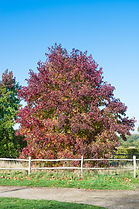
Knowing which species you have helps determine the best prevention and treatment strategy. Higher-risk species include: Red Oak, Pin Oak, Black Oak.
RED OAK

PIN OAK

BLACK OAK
Oak Wilt Treatment & Prevention
The best treatment depends on how early the disease is detected.
Our services may include:

Property Inspection & Mapping
Confirm whether symptoms are consistent with oak wilt or another issue.

Laboratory Testing
When needed, we can help collect samples for laboratory confirmation.

Growth Regulator Treatments
Protect healthy, high-value oaks that may be at risk to help them live longer.

Root Disruption Recommendations
In some situations, stopping underground root transmission is critical to protecting nearby trees.

Safe Removal Guidance
When a tree cannot be saved, proper removal helps reduce the risk of spreading the disease.
Avoid Pruning Oaks During High-Risk Months
Fresh pruning wounds attract insects that can carry oak wilt spores.
In Minnesota, it's generally recommended to avoid pruning oak trees from April through mid-November, unless absolutely necessary. The highest-risk beetle spread period is from April-June. If emergency pruning is required, wounds should be sealed immediately according to current arboricultural recommendations.
Why Oak Wilt Is Such a Problem in Minnesota?
Minnesota has one of the highest concentrations of oak wilt in the country.
Because many neighborhoods contain mature oak trees with interconnected root systems, the disease can spread quickly from one property to another if left untreated.
Early inspections are one of the best ways to protect your landscape investment.
Protecting your investment is smarter than replacing it. It costs roughly $1,900–$3,000 to raise a healthy 15-year-old oak:
-
Initial Cost (7-year-old tree): $300–$400 for the tree; $500–$700 for planting.
-
Maintenance (7-year span): $25–$50 for watering; $500–$600 for fertilization; $600–$1,200 for trimming.

Why Choose Green Goddess Trees?
Instead of selling unnecessary treatments, we help homeowners make informed decisions.
With Green Goddess Trees you'll receive:
✓ ISA Certified Arborists
✓ Eco-conscious treatment recommendations
✓ Honest advice—not every tree needs treatment
✓ Personalized tree health plans
✓ Property mapping through your ArborNote portal
✓ Ongoing monitoring and support


FAQ Section
What is oak wilt disease?
Oak wilt is a fungal disease that blocks a tree's ability to transport water and nutrients. Without treatment, infected trees can decline rapidly and may eventually die.
When is oak wilt most active in Minnesota?
The greatest risk of new infections is typically from April through July, when beetles are active and fresh pruning wounds can attract them.
How does oak wilt spread?
Oak wilt spreads through connected root systems and by sap-feeding beetles that carry fungal spores to fresh wounds on healthy oak trees.
Should I remove an infected oak tree?
Not always. An arborist can evaluate the tree and determine whether treatment is possible or if removal is the safest option to protect nearby oaks.
Can an oak tree survive oak wilt?
It depends on the species and how early the disease is detected. Some white oaks may survive with treatment, while red oaks often decline quickly once infected.
How can I prevent oak wilt?
Avoid pruning oaks during high-risk months, protect fresh wounds if emergency pruning is necessary, and have valuable oak trees inspected regularly for early signs of disease. Also consider growth regulation treatment to preserve and lengthen the life of your Oak trees.