
Stop Japanese Beetles Before They Spread
Every summer, Japanese beetles emerge across the Twin Cities, feeding on hundreds of species of trees, shrubs, flowers, and ornamental plants. In Minnesota, they usually emerge the week before the 4th of July and often take several weeks to reach highly damaging levels. While a few beetles may seem harmless, large populations can quickly skeletonize leaves, weaken valuable trees, and leave your landscape looking unhealthy.
At Green Goddess Trees, we take a science-based approach to Japanese beetle control. Instead of simply spraying everything, we inspect your property, identify vulnerable plants, and recommend treatments that make sense for your landscape, your budget, and the surrounding environment.
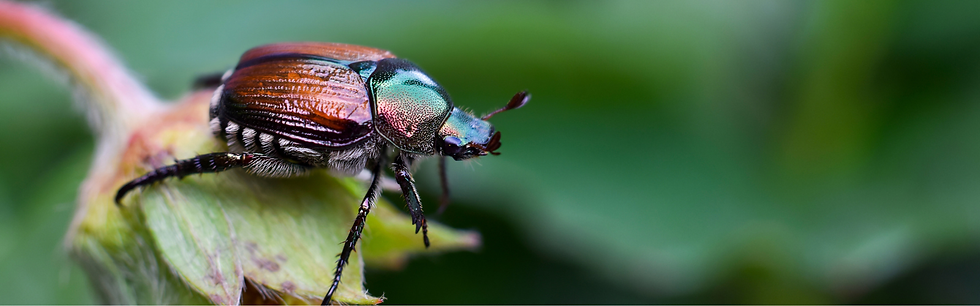
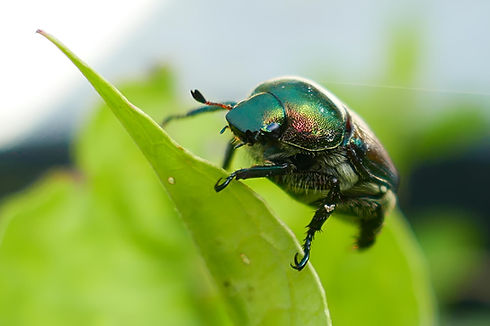
What Do Japanese Beetles Look Like?
They are easy to recognize once you know what you're looking for.
-
Metallic green head
-
Copper-colored wing covers
-
About ½ inch long
-
White tufts of hair along each side of the abdomen
-
Often found feeding in groups
The adults usually appear in Minnesota from late June through August.


Signs of Japanese Beetle Damage
Many homeowners don't notice the insects until significant damage has already occurred.
Watch for:
-
Leaves that look like lace or skeletons
-
Brown, ragged foliage
-
Clusters of shiny metallic beetles
-
Flowers with missing petals
-
Fruit that has been chewed
-
Premature leaf drop
-
Declining tree vigor after repeated infestations
The earlier infestations are caught, the easier they are to manage.
Trees and Plants Japanese Beetles Love
Japanese beetles feed on more than 300 plant species. While healthy mature trees often recover from occasional feeding, repeated yearly damage can create additional stress that makes trees more susceptible to drought, disease, and other insect problems. Larvae feed on the roots of grasses and can be a problem for yards and turf.
In Minnesota they commonly attack:

BIRCH
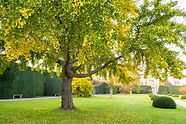
LINDEN/
BASSWOOD

ROSE BUSHES

APPLE

GRAPEVINES
Japanese Beetle Control That Actually Works
Many homeowners purchase traps or over-the-counter sprays hoping they'll solve the problem.
Unfortunately, these methods often provide only temporary relief.
Our approach may include:
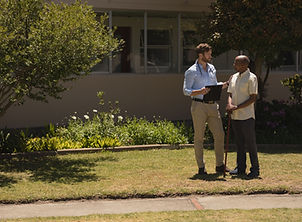
Property Inspection & Mapping
Identify affected trees, shrubs, and garden areas.
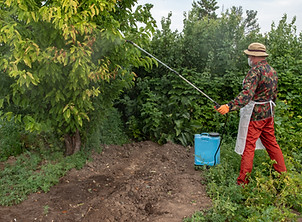
Targeted Treatments
Soil injections often provide longer lasting residual and are particularly recommended for taller trees.
Spray applications are fast acting with generally less residual. Trees over 40 ft are not strong spray application candidates generally.
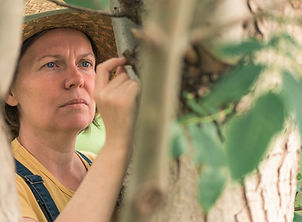
Tree Health Care & Monitoring
Improve overall tree health so plants are better able to recover from insect damage. Track recurring infestations and recommend future treatment only when needed.
Should You Use Japanese Beetle Traps?
Surprisingly, not always.
Research has shown that beetle traps can actually attract more beetles into your yard than they catch if placed too close to your landscape.
Our arborists can recommend whether traps make sense for your property—or whether another treatment strategy will be more effective.
Why Are
Japanese Beetles So Common in Minnesota?
Japanese beetles thrive in Minnesota's warm summers and spend much of their life underground as grubs before emerging as adults.
They become especially active during:
-
Warm sunny afternoons
-
July
-
Early August
Large populations can move from yard to yard, making neighborhood-wide outbreaks common throughout the Twin Cities.
Why Choose Green Goddess Trees?
Instead of selling unnecessary treatments, we help homeowners make informed decisions.
With Green Goddess Trees you'll receive:
✓ ISA Certified Arborists
✓ Eco-conscious treatment recommendations
✓ Honest advice—not every tree needs treatment
✓ Personalized tree health plans
✓ Property mapping through your ArborNote portal
✓ Ongoing monitoring and support

FAQ Section
When do Japanese beetles appear in Minnesota?
Adult Japanese beetles usually emerge in late June and remain active through August, with peak activity occurring in July.
Are Japanese beetles harmful to people?
No. Japanese beetles do not bite or sting people or pets. They are primarily harmful because of the damage they cause to plants.
Can Japanese beetles kill a tree?
Healthy mature trees rarely die from a single infestation, but repeated feeding year after year can weaken trees, making them more vulnerable to drought, disease, and other insect pests.
Is treatment worth it?
If valuable trees, ornamental plants, or gardens are being heavily damaged, timely treatment can help protect your landscape and reduce recurring infestations.
Should I use Japanese beetle traps?
Not always. Traps can sometimes attract more beetles to your property than they remove if they are placed too close to susceptible plants. A certified arborist can help determine the best strategy for your landscape.
Are products harmful to pollinators?
Misapplied Japanese beetle treatments can harm pollinators. This is why timing, species, and other variables must be accounted for a proper application. Misapplication is against the law and particular care must be taken with flowering species.