Choosing the Right Arborist: A Complete Guide

When it comes to maintaining the health and beauty of your trees, choosing the right arborist is crucial. Trees are not just a part of your landscape; they contribute to the environment, provide shade, and enhance property value. However, improper care can lead to serious issues, including disease, pest infestations, and even tree death. This guide will help you navigate the process of selecting a qualified arborist who can meet your needs.
Understanding Arborists
What is an Arborist?
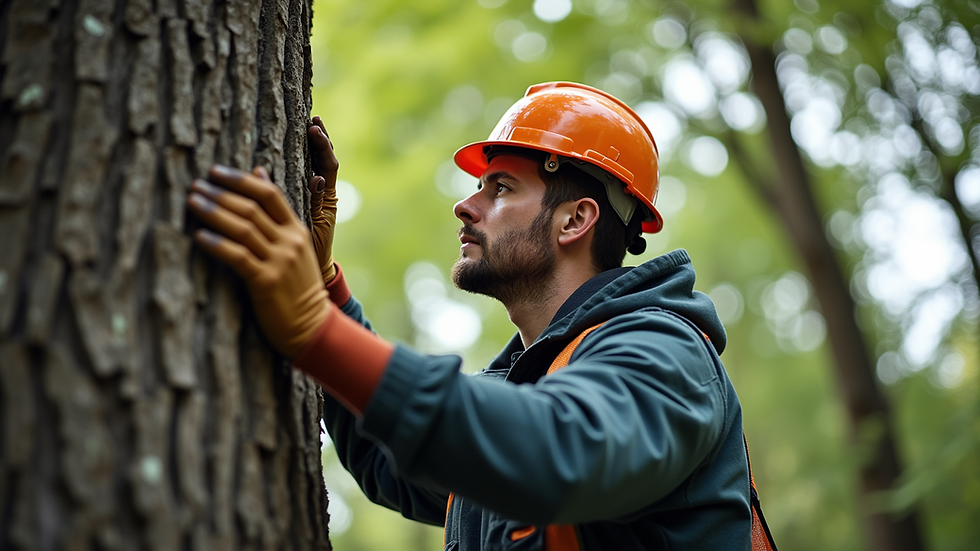
An arborist is a professional trained in the art and science of planting, caring for, and maintaining trees. Arborists are knowledgeable about tree biology, health, and the best practices for tree care. They can help with a variety of services, including:
Tree pruning and trimming
Tree removal
Pest and disease management
Soil management
Planting new trees
Why Hire an Arborist?
Hiring an arborist is essential for several reasons:
Expertise: Arborists have specialized training and knowledge about tree species, diseases, and proper care techniques.
Safety: Tree work can be dangerous. Professionals have the equipment and training to perform tasks safely.
Health of Trees: Regular maintenance by an arborist can prolong the life of your trees and enhance their appearance.
Legal Compliance: Some areas have regulations regarding tree removal and care. Arborists are familiar with local laws.
How to Choose the Right Arborist
Check Qualifications and Certifications
When selecting an arborist, it is vital to verify their qualifications. Look for certifications from recognized organizations, such as:
International Society of Arboriculture (ISA): This certification indicates that the arborist has met specific educational and experience requirements.
Tree Care Industry Association (TCIA): Membership in this organization shows a commitment to professionalism and safety.
Ask for References
A reputable arborist should be able to provide references from previous clients. Contact these references to ask about their experiences, the quality of work, and whether they would recommend the arborist.
Get Multiple Quotes
Before making a decision, obtain quotes from at least three different arborists. This will give you a better understanding of the market rates and help you gauge the professionalism of each arborist. Be wary of quotes that seem significantly lower than others; they may indicate a lack of experience or hidden costs.
Inquire About Insurance
Ensure that the arborist carries liability insurance and workers' compensation. This protects you from potential liability in case of accidents or damage during the job. Request to see proof of insurance before hiring.
Evaluate Communication Skills
Effective communication is essential for a successful working relationship. Pay attention to how the arborist communicates during your initial interactions. They should be willing to answer your questions, explain their methods, and provide clear information about the services they offer.
Services Offered by Arborists
Tree Pruning and Trimming
Regular pruning helps maintain the health and appearance of trees. An arborist can determine the best time and method for pruning, ensuring that your trees thrive.
Tree Removal
Sometimes, a tree may need to be removed due to disease, damage, or safety concerns. An arborist can assess the situation and safely remove the tree while minimizing damage to surrounding areas.
Pest and Disease Management
Trees can be susceptible to various pests and diseases. Arborists can identify issues and recommend appropriate treatments to protect your trees.
Soil Management
Healthy soil is crucial for tree growth. Arborists can analyze soil conditions and recommend amendments to improve tree health.
Planting New Trees
If you're looking to enhance your landscape, an arborist can help you choose the right species for your environment and ensure proper planting techniques.
Questions to Ask Your Arborist
Before hiring an arborist, consider asking the following questions:
What is your experience with tree care?
Can you provide references from previous clients?
What certifications do you hold?
What methods do you use for tree care?
How do you handle emergencies?
What is your approach to pest and disease management?
Can you provide a written estimate?
Red Flags to Watch Out For
Lack of Credentials
Be cautious of arborists who cannot provide proof of certification or insurance. This may indicate a lack of professionalism.
Unclear Estimates
If an arborist provides a vague estimate without detailing the services included, it may lead to unexpected costs later on.
High-Pressure Sales Tactics
Avoid arborists who pressure you into making quick decisions or upselling unnecessary services. A reputable professional will give you time to consider your options.
Poor Communication
If the arborist is unresponsive or dismissive during initial conversations, it may be a sign of how they will handle the job.
The Importance of Regular Tree Maintenance
Regular maintenance is key to keeping your trees healthy and beautiful. Here are some benefits of ongoing tree care:
Prevention of Disease: Regular inspections can catch issues early, preventing the spread of disease.
Improved Aesthetics: Well-maintained trees enhance the beauty of your property.
Increased Property Value: Healthy trees can significantly increase the value of your home.
Safety: Regular pruning reduces the risk of falling branches and other hazards.
Conclusion
Choosing the right arborist is essential for the health and longevity of your trees. By following the guidelines outlined in this guide, you can make an informed decision that will benefit your landscape for years to come. Remember to prioritize qualifications, communication, and a clear understanding of services offered. With the right arborist by your side, you can ensure that your trees remain a valuable asset to your property.
Take the first step today by researching local arborists and scheduling consultations. Your trees will thank you!

Comments